My Deakin story is live: cancer, uni, and what comes after treatment
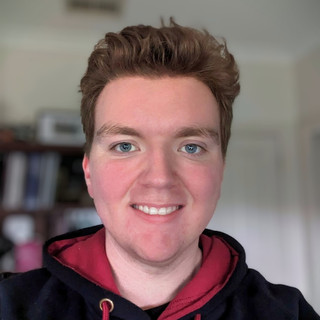
A few weeks ago, Lana Busby from Deakin's student news team asked if I'd do a Q&A about my book and my role as a Bowel Cancer Australia ambassador. I said yes, and the story is live now on Deakin's student news site.
It's called "Will shares his experiences of cancer treatment during his uni studies". It covers the book, what I'd want young people to know about their health, what I'm hoping to do after uni, and what I'm looking forward to in 2027.
Don't brush off your symptoms
This is the part I keep coming back to. Find a regular GP and build a relationship with them. I talk to so many young people who haven't seen a doctor in years, or only go when they've got an infection. Having a GP who knew me made a huge difference in my case, because my referrals happened really quickly.
With bowel cancer, the signs can be subtle. Bleeding is a big one, along with ongoing pain or changes you can't explain. Most of the time it's something minor, but don't brush off your symptoms. The odds might be on your side, but it can still happen to anyone.
It's not just about cancer either. I get a skin check every year. I'm only 22, but with British heritage and a childhood of sunburn because I hated sunscreen, I'm high risk, and the check gives me peace of mind. Same goes for checking for unusual lumps. Don't put it off because "it's probably nothing". That's what doctors are there for, so use them.
Where I'm headed
I'm studying Law and Cybersecurity and working as a paralegal at Slater & Gordon. Before I got sick, I went on exchange to the University of Exeter, where I studied the crossover between technology, human rights and law, including AI law. I've also done a lot of work in eSafety and youth mental health with organisations like ReachOut and Orygen.
I'd love to work somewhere that sits at that intersection of internet safety and policy. I've always thought eSafety would be amazing, maybe even as a prosecutor there, who knows. There's so much fear around AI and new tech right now. I want to help work out how we keep people safe while still encouraging innovation. And as someone with lived experience of autism, ADHD, anxiety and depression, I'm really interested in how technology can improve access to mental health support.
2027, and what "fine now" misses
Recovery is day-to-day for me. I have good days and bad days, so looking too far ahead is hard. But I'd love to travel. New Zealand, Vietnam and Broome have all been floated. Travel gives you a break and really opens your eyes.
Beyond that, I'm studying until early 2028, so I'm looking forward to keep moving forward, seeing where I end up, and reconnecting with and rebuilding the things I lost along the way. That last part doesn't get talked about enough.
People tend to see cancer as a physical illness. Chemo, fatigue, surgery, an ostomy. Then once the final surgery is done, for me my ileostomy reversal, it's "you're fine now, back to normal". That can be really damaging. The physical side might be short term, but the mental impact, especially when you're young, throws everything into question.
For a while I had almost no patience for other people's problems. I'd think: I nearly died, how is this a big deal? That's a pretty natural reaction, but it was also confronting. I didn't know what I was supposed to feel, or what the point was in going back to uni or work when anything could happen. It sent me into a bit of an identity crisis.
In some ways it's been good. I've stepped back, realised study and work aren't everything, and made more time for myself and the people who matter to me. But it also pulled me off the train of life. I watch my peers moving forward and I often feel disconnected from it all.
I'm really lucky. I had a complete response to treatment, and I have incredible support. Not everyone can afford weekly psychology or psychiatry appointments, or has family and friends who'll do anything for them. I'm so grateful for the people around me. But being grateful doesn't mean downplaying what I've been through. These are lifelong changes, and pretending otherwise doesn't help anyone.
Read the full story
You can read the full Q&A on Deakin's site: https://www.deakin.edu.au/students/student-life-and-services/student-news/articles/26/nov/will-shares-his-experiences-of-cancer-treatment-during-his-buslaw-studies
Thanks to Lana and the Deakin student news team, and to Alison Cossey in BusLaw for putting my name forward.
You can learn more about my book, The Time of My Life (Just Not Like This), at www.wcook.net.


Comments